

Blog
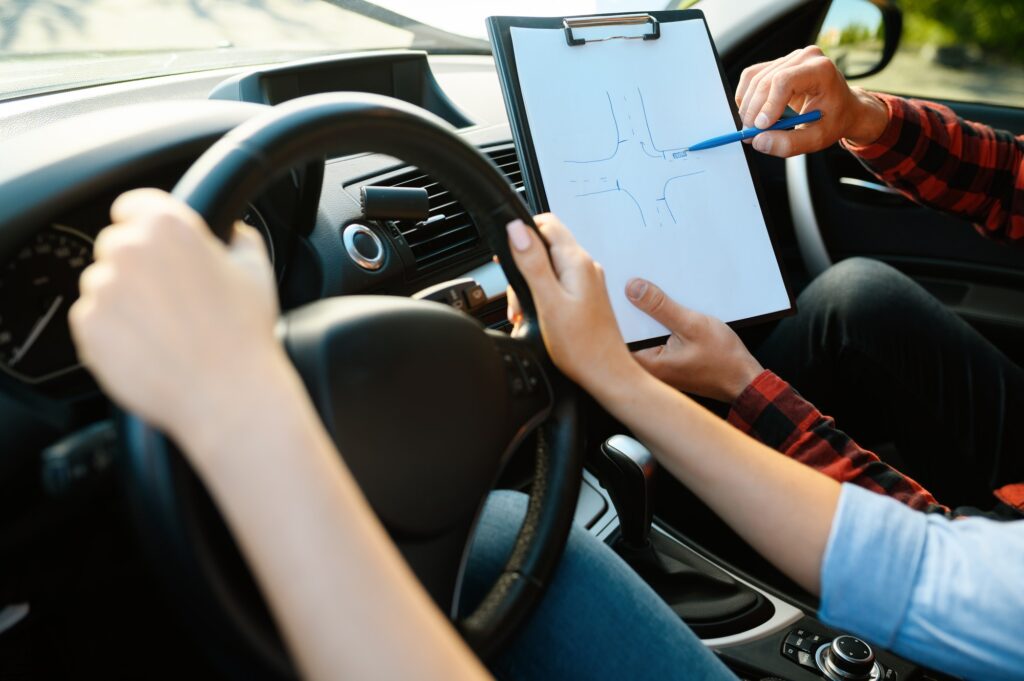
When people hear terms like defensive driving and tactical driving, they often assume they mean the same thing. While both involve safe driving practices, these two types of training serve very different purposes. Defensive driving focuses on avoiding accidents through caution and awareness. Tactical driving, on the other hand, prepares drivers to actively respond to threats or emergencies with advanced maneuvers.
At Scottys Stunt and Tactical Driving Course in Adelanto, California, students learn the critical differences between these driving styles. Understanding how they differ can help drivers choose the right training based on their needs and goals.
Defensive driving is a widely taught approach focused on accident prevention. It is about being cautious, anticipating the actions of other drivers, and avoiding hazardous situations before they happen. Defensive driving is typically taught in basic driving courses and is aimed at the general public.
Key principles of defensive driving include:
Defensive driving lowers the risk of accidents by encouraging safe and cautious behavior. It is ideal for new drivers, teenagers, and anyone looking to reduce their risk of being involved in a collision.
Tactical driving goes far beyond basic accident avoidance. It prepares drivers to handle high-stress situations where threats are already present. Tactical driving is designed for scenarios where the driver may need to escape a dangerous situation, evade pursuit, or protect passengers during a hostile event.
Key elements of tactical driving include:
Tactical driving is typically taught to professionals such as:
Unlike defensive driving, tactical driving involves controlled aggression, quick thinking, and advanced vehicle control to navigate dangerous scenarios.
The two styles differ in several key areas:
|
Aspect |
Defensive Driving |
Tactical Driving |
|
Primary Goal |
Accident prevention |
Threat response and escape |
|
Focus |
Caution, awareness, and rule-following |
Active control, precision, and rapid decision-making |
|
Audience |
General public |
Law enforcement, security professionals, stunt drivers |
|
Skills Taught |
Safe following distance, basic hazard awareness |
Evasive maneuvers, high-speed control, surveillance evasion |
|
Driving Speed |
Low to moderate |
High-speed capable |
|
Environment |
Public roadways |
Controlled training facilities |
Understanding these differences helps drivers select the right type of training for their personal or professional needs.
While tactical driving offers advanced techniques, defensive driving remains valuable for everyday safety. In fact, many drivers benefit from mastering both styles. Defensive driving reduces the likelihood of encountering trouble, while tactical driving provides tools to escape it if necessary.
For example:
Together, these skills create a comprehensive approach to road safety, offering both prevention and reaction capabilities.
While defensive driving is suitable for all drivers, tactical driving is highly recommended for individuals who face elevated security risks or operate in high-pressure environments. This includes:
Even everyday drivers who travel frequently, live in high-crime areas, or want additional peace of mind can benefit from tactical driving training.
At Scottys, students receive hands-on instruction in both stunt and tactical driving techniques. Courses are designed to teach drivers how to handle high-pressure situations with confidence and precision.
Key skills taught include:
The training environment at Scottys is carefully controlled, allowing students to practice these maneuvers repeatedly under expert supervision until they become instinctive.
Tactical driving is not just for action movies. It has very real-world applications that can save lives, such as:
Being trained to handle these situations can dramatically increase a driver’s chances of escaping safely.
Can defensive driving prepare me for tactical situations?
Defensive driving focuses on prevention but does not offer the advanced skills needed for tactical response. Tactical driving is the next step for drivers who want to prepare for active threats.
Is tactical driving training dangerous?
All training at Scottys is conducted in a controlled environment under professional supervision, with strict safety protocols in place.
Do I need prior experience?
No previous experience is required. Scottys courses accommodate drivers of all skill levels.
Are these courses only for professionals?
While professionals benefit greatly, tactical driving is open to private individuals who want to enhance their personal safety.
Does Scottys offer both defensive and tactical driving?
While Scottys focuses primarily on tactical and stunt driving, elements of defensive driving are naturally incorporated into the training.
Understanding the difference between defensive and tactical driving is the first step toward becoming a safer, more capable driver. At Scottys Stunt and Tactical Driving Course in Adelanto, California, students receive world-class training that equips them with the tools to handle both everyday driving and life-threatening situations.
To schedule your course or request more information, contact Scottys at (760) 887-1217 or email Scottysdrivers@gmail.com. Limited class sizes ensure personalized instruction, so early registration is recommended.
If you’re ready to learn skills that could save your life—or launch a career in Hollywood stunt work, Scottys is the place to begin. Spots fill quickly, so early registration is encouraged.

Precision. Performance. Professionalism.
Contact Information
Copyright © 2025 Scottys Stunt and Tactical Driving Course. All Rights Reserved. Powered by Consumr Buzz.